The Best Places to Visit in Iceland
The Best Places to Visit in Iceland: A Complete Regional Guide to Iceland’s Most Iconic and Unforgettable Landscapes
Iceland is not a destination you simply “visit.” It is a country you experience—layer by layer, region by region, road by road. For travelers searching for the best places to visit in Iceland, the challenge is not finding beauty, but deciding where to focus in a land where waterfalls, glaciers, volcanoes, and black sand beaches feel endless.
This in-depth guide is designed to help travelers understand Iceland by region, combining the country’s most famous locations with remote wilderness, dramatic scenery, and lesser-known stops discovered along the way. It is written for those planning a self-drive trip, a multi-day itinerary, or a return visit that goes beyond the obvious.
The Icelandic Highlands: The Wild Core of the Country
The Icelandic Highlands form the raw, untouched heart of Iceland. This vast interior is largely uninhabited, accessible only in summer via mountain roads, and defined by volcanic deserts, glacial rivers, and geothermal activity. For many travelers, this is the most powerful landscape in Iceland.
Landmannalaugar
One of the most famous destinations in the Highlands, Landmannalaugar is known for its multicolored rhyolite mountains, obsidian lava fields, and natural hot springs. It is a major hub for hiking and a starting point for multi-day treks through remote wilderness.

Þórsmörk
Nestled between glaciers, Þórsmörk offers a rare contrast to the surrounding volcanic terrain. Moss-covered valleys, braided rivers, and panoramic viewpoints make it one of the most scenic regions in the interior.
Kerlingarfjöll
A geothermal mountain range filled with steaming vents, hot rivers, and rust-colored peaks, Kerlingarfjöll feels almost otherworldly. It is one of the best places in Iceland to see geothermal activity in a truly remote setting.
Askja & Víti Crater
Deep in the Highlands lies Askja, surrounded by black volcanic sand and vast open space. Nearby, Víti Crater offers a striking contrast with its pale blue water.
Hidden Gems & Roadside Stops (Highlands)
Beyond named landmarks, the Highlands reward slow travel. Remote river crossings, unnamed lava fields, and unexpected viewpoints often become the most memorable moments—places found not on maps, but by curiosity and patience. Places such as Mælifell and the hike to Hvanngil hut offers some of the most stunning sites in the country that few people get to witness.
South Iceland: Waterfalls, Glaciers, and Black Sand Beaches
South Iceland is the most visited region in the country and contains many of Iceland’s most searched attractions. It offers easy access, dramatic variety, and some of the most iconic landscapes in the world.
Seljalandsfoss & Skógafoss
The elegant Seljalandsfoss, where visitors can walk behind the falling water, contrasts with the raw power of Skógafoss, one of Iceland’s most famous and photogenic waterfalls.
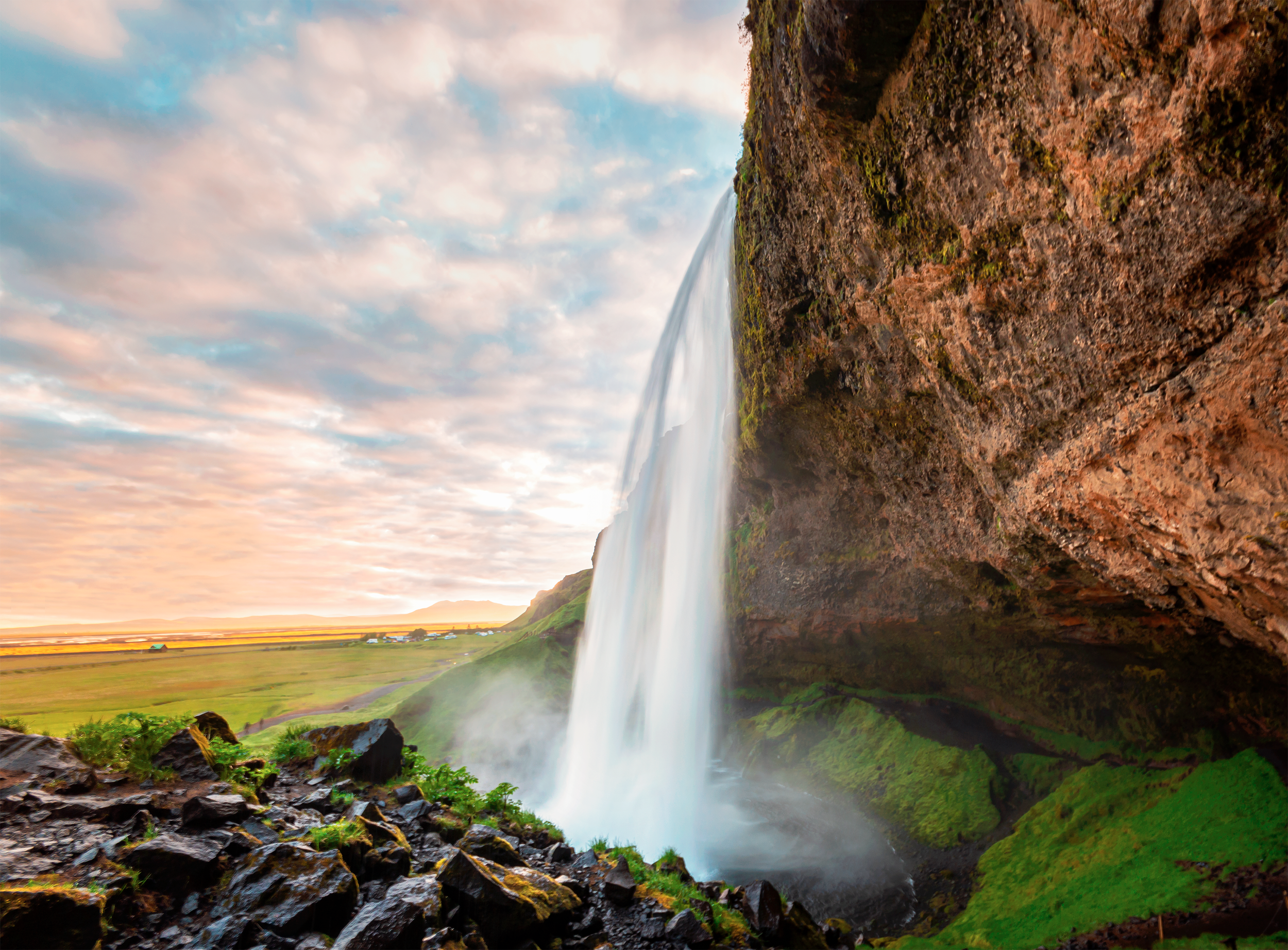
Reynisfjara Black Sand Beach
With towering basalt columns and crashing Atlantic waves, Reynisfjara is one of the most dramatic coastal locations in the country and a must-see stop along the south coast.
Vatnajökull National Park
Covering a massive portion of southeastern Iceland, Vatnajökull National Park is home to glaciers, ice caves, glacier tongues, and expansive outwash plains. It represents Iceland’s scale and power better than almost anywhere else.
Hidden Gems & Roadside Stops (South Coast)
Between major attractions, the south coast hides countless unnamed waterfalls, short roadside hikes, and quiet viewpoints. Pull-offs along the Ring Road often lead to places that feel completely untouched, especially in changing weather.
East Iceland: Mountains, Waterfalls, and Solitude
East Iceland is defined by dramatic mountain ranges, deep fjords, and a slower pace of travel. It is one of the best regions for travelers seeking space, silence, and striking scenery without heavy crowds.
Vestrahorn & Eystrahorn
Rising sharply from black sand beaches, Vestrahorn is one of the most photographed mountains in Iceland. Nearby, Eystrahorn offers equally dramatic views with fewer visitors.
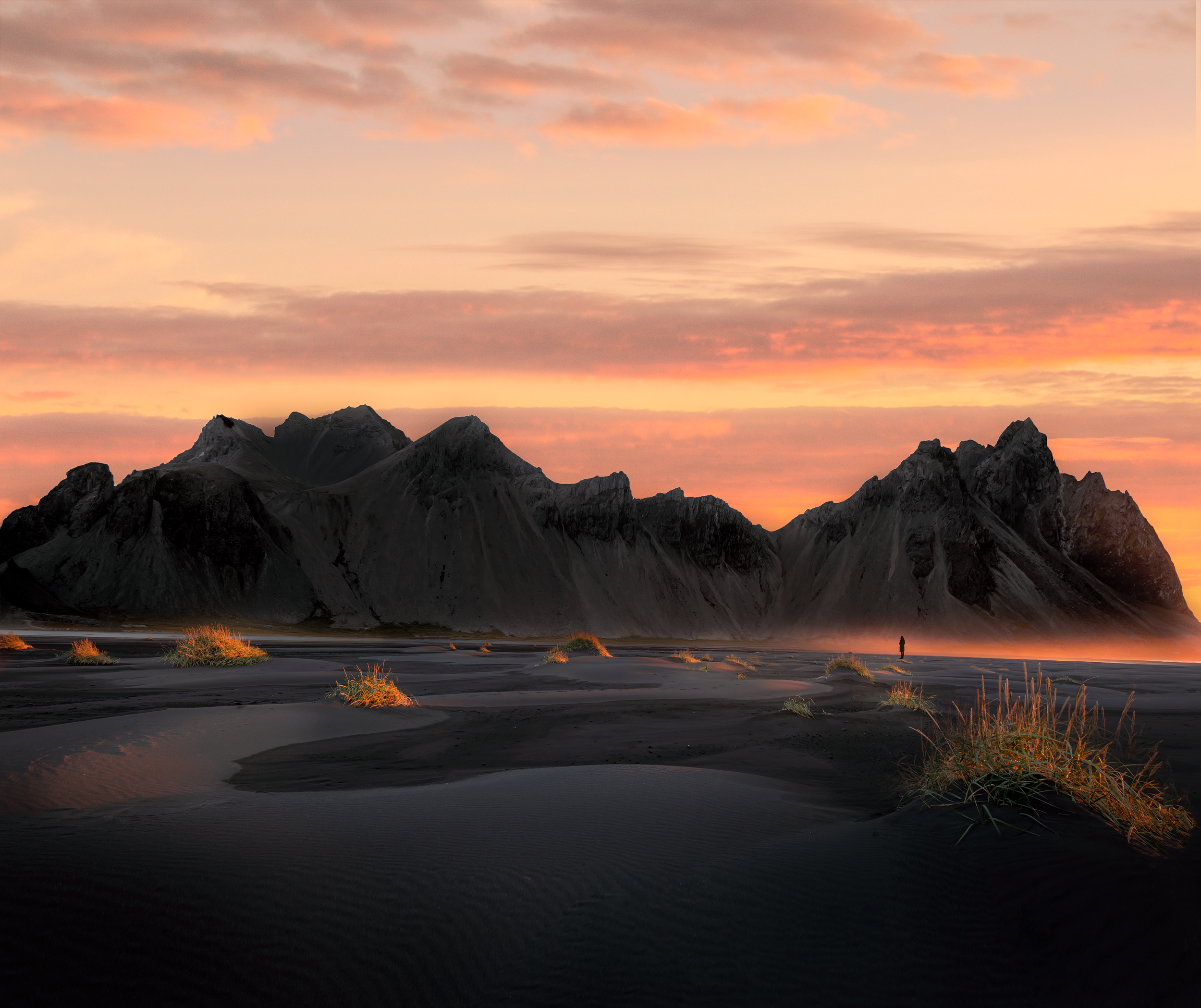
Stuðlagil Canyon
One of Iceland’s most visually striking geological formations, Stuðlagil Canyon showcases towering basalt columns framing glacial-blue water.
Hengifoss
With distinctive red sediment layers cutting through basalt cliffs, Hengifoss is among the tallest and most unique waterfalls in Iceland.

Hidden Gems & Roadside Stops (East Iceland)
The east rewards exploration. Quiet fjord roads, small detours into valleys, and short hikes off the main route often reveal viewpoints and waterfalls that feel entirely personal.
North Iceland: Volcanic Landscapes and Natural Power
North Iceland combines volcanic history, powerful waterfalls, and wildlife-rich coastal areas, often with fewer tourists than the south.
Goðafoss
Known as the “Waterfall of the Gods,” Goðafoss holds both historical and visual significance and is one of the most impressive waterfalls in the region.
Aldeyjarfoss
Located less than an hours drive from Goðafoss, you will find Aldeyjarfoss. A real hidden gem that sees barely any tourists. It’s a stunning waterfall, where powerful glacial water crashes into a narrow canyon.
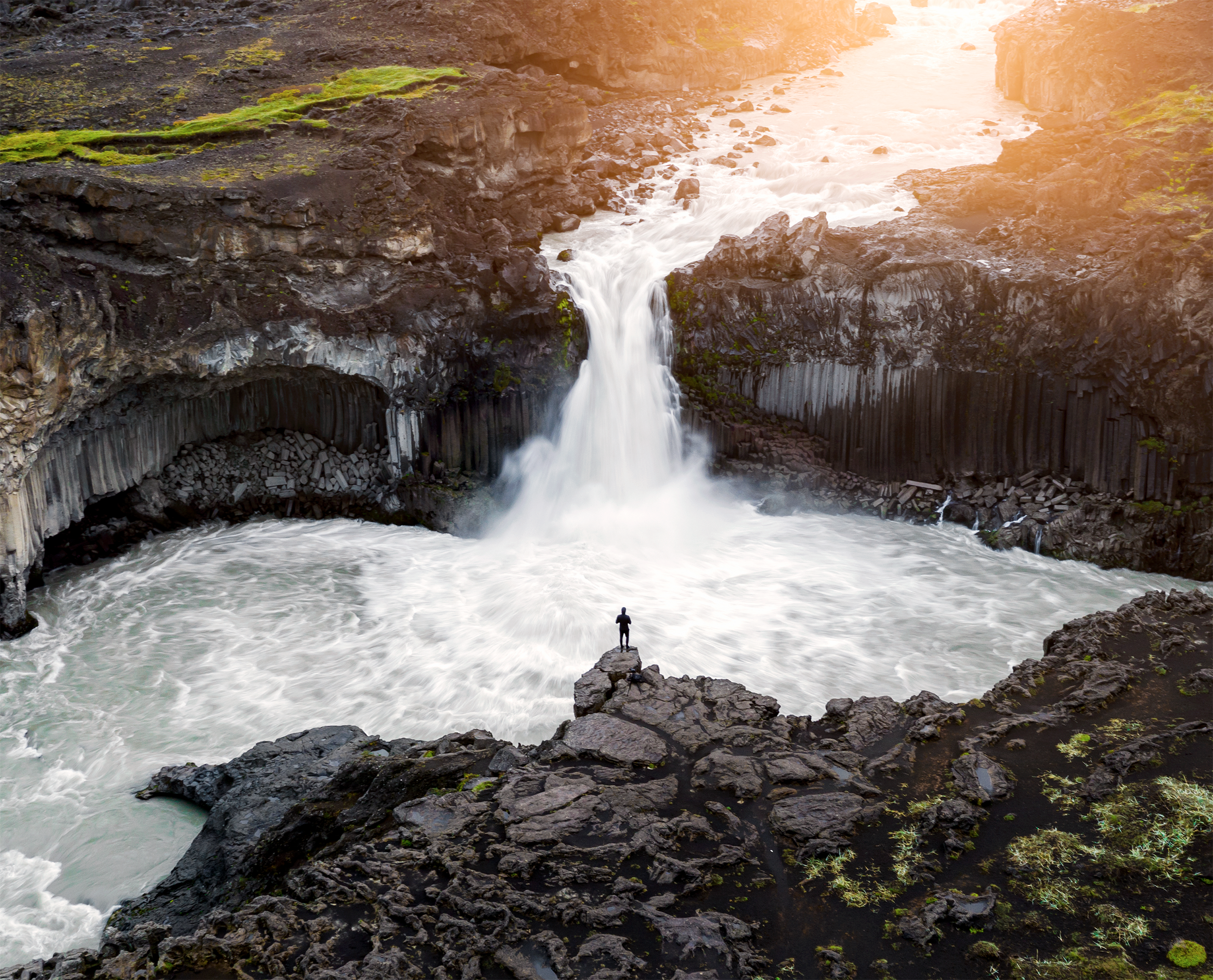
Lake Mývatn
Surrounded by volcanic formations, lava fields, and geothermal features, Lake Mývatn is one of the most geologically active areas in the country.
Húsavík
Located on the north coast, Húsavík is widely considered Europe’s whale-watching capital and a major highlight for wildlife enthusiasts.
Hidden Gems & Roadside Stops (North Iceland)
Northern roads often pass through vast open spaces where unexpected lava formations, quiet coastlines, and unnamed geothermal features appear without warning—perfect for travelers who enjoy spontaneous stops.
West Iceland & the Snæfellsnes Peninsula
Often referred to as “Iceland in miniature,” West Iceland offers an extraordinary range of landscapes in a relatively compact area.
Kirkjufell & Kirkjufellsfoss
The distinctive peak of Kirkjufell, paired with the nearby Kirkjufellsfoss, is one of the most photographed scenes in Iceland and a defining image of the country.
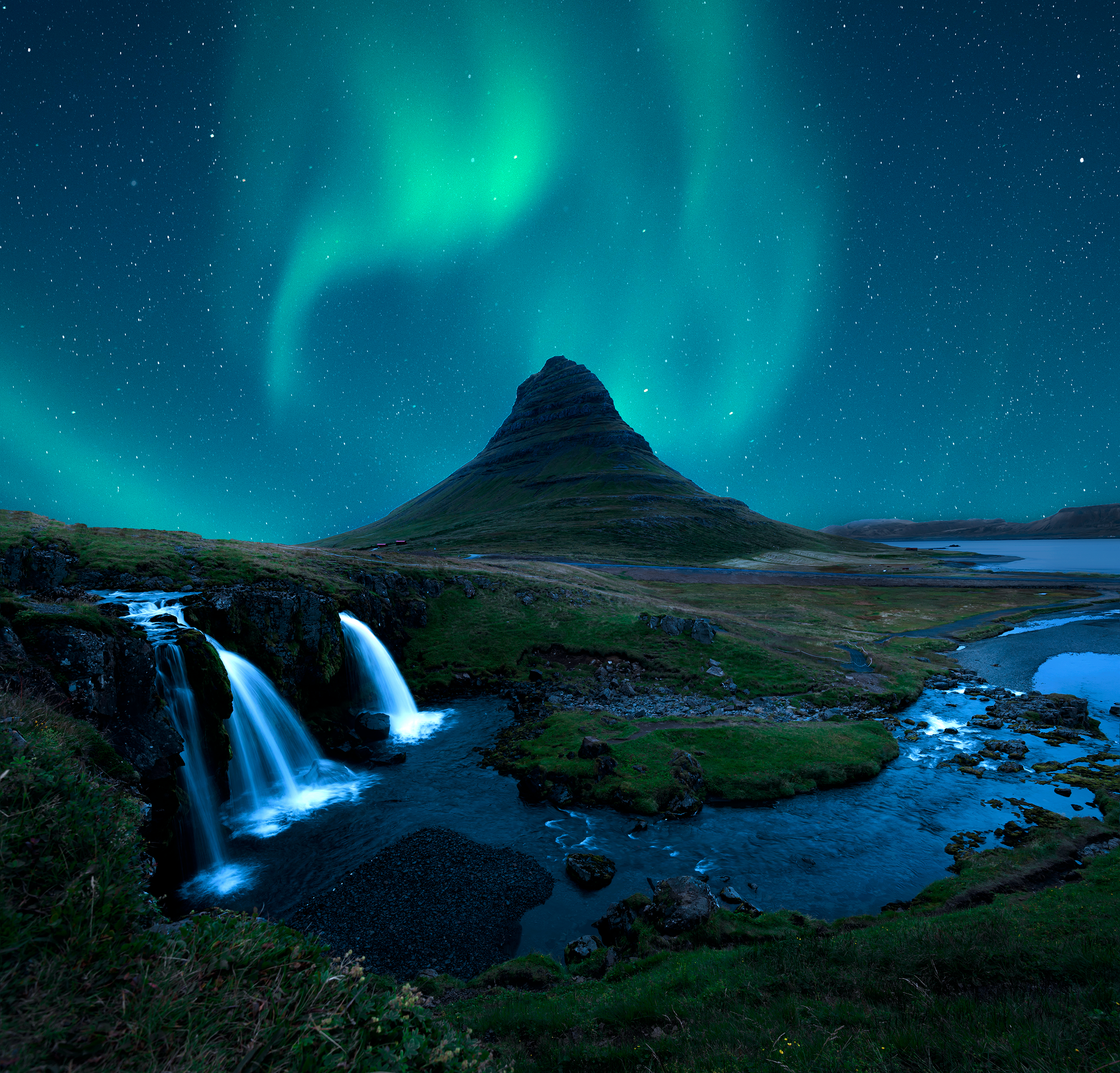
Snæfellsjökull
Crowning the peninsula, Snæfellsjökull blends glacier, volcano, and mythology, making it one of Iceland’s most iconic natural landmarks.
Hidden Gems & Roadside Stops (West Iceland)
Coastal roads in the west are lined with dramatic cliffs, small fishing harbors, and unnamed lava fields. Many of the region’s most memorable moments happen between destinations, not at them.
Final Thoughts: Why These Are the Best Places to Visit in Iceland
Iceland rewards travelers who take their time. The country’s true beauty lies not only in its famous landmarks, but in the transitions between them—the quiet pull-offs, the unexpected views, and the moments when the landscape feels entirely your own.
For anyone searching for the best places to visit in Iceland, this guide offers a complete regional foundation—covering the iconic, the remote, and the in-between. It is a country that never feels finished, and one that invites you back long before you leave.